


August was a tough month for Wall Street. The Dow, NASDAQ and S&P 500 have all closed with losses of at least 2%, and the future looks somewhat bleak. Chief among some of these equity declines are media stocks, including big names like Disney, Time Warner Cable and Netflix. According to some analysts, this fall of stocks is due to the recently waning success and popularity of TV advertising, as well as an overall decrease in cable TV subscriptions.
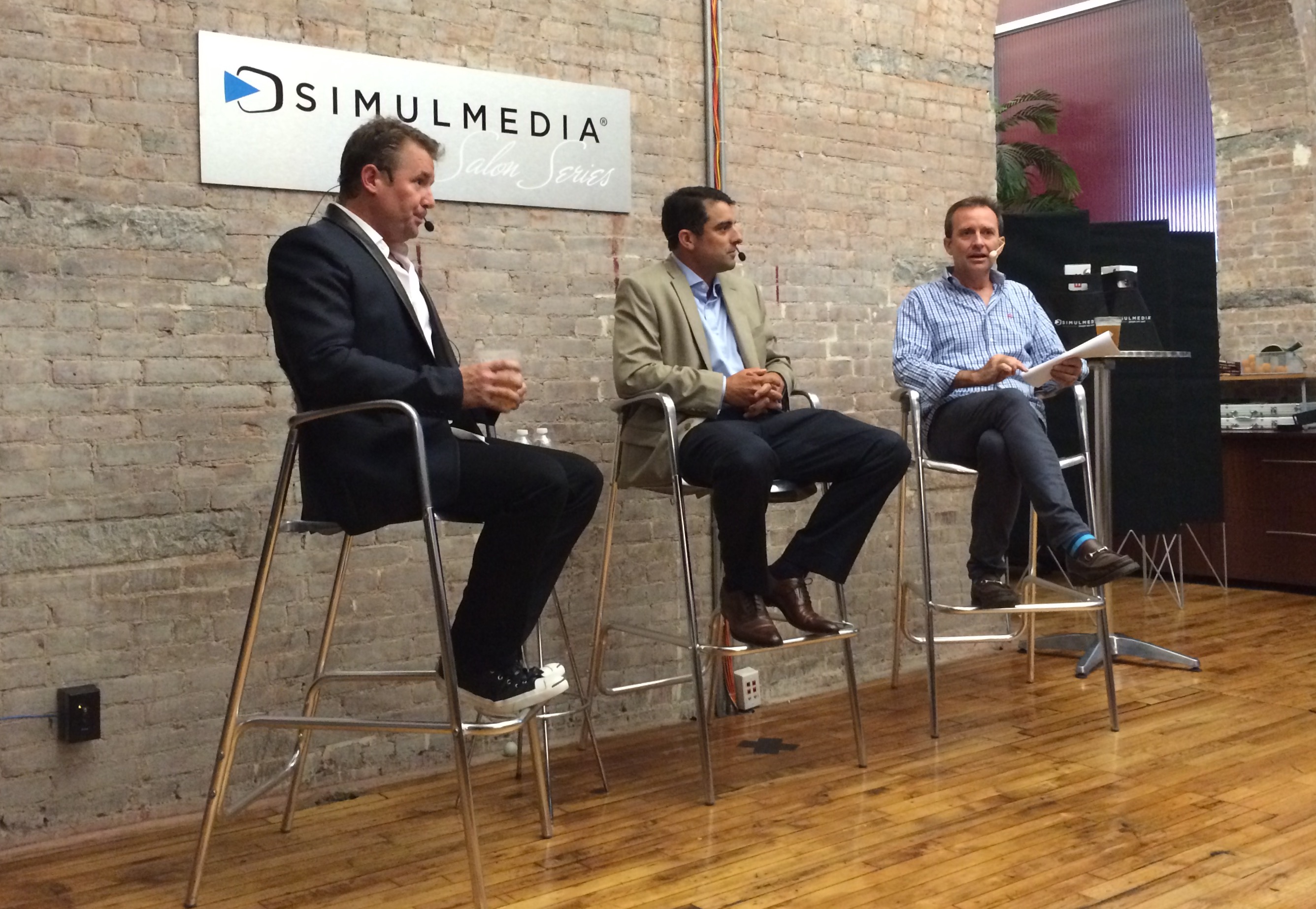
In light of these economic issues, Simulmedia hosted a conversation between Anthony DiClemente, managing director at Nomura; and Frank Foster, SVP and general manager of TiVo Research. The panel was led by Simulmedia CEO and founder Dave Morgan.
When Disney announced a deceleration in cable subscribers and acceleration in cord cutting at the beginning of August, many analysts ascribed this in part to the failure of TV advertising. One hit to the advertising world came with an iOS update that now allows consumers to select the ads they want to see, effectively eliminating certain brands from the ad game altogether.
DiClemente also brought up the increasing accessibility of ad-free content on Netflix and other such websites. “The media consumer is learning to live without ads,” he said.
But for some reason, advertisers aren’t getting the message: instead of cutting back on TV ad dollars, brands are loading up even more ads than ever before—and it’s hurting them. According to DiClemente, Facebook achieved ad revenue in one year that was greater than CBS’s entire ad revenue put together. “They earned a CBS and a half,” he said jokingly. From that perspective, it seems like advertisers should dedicate their money and efforts to Internet ads instead of the traditional TV platform.
Foster disagreed. The Facebook statistic is undeniable, but there’s another factor that advertisers must keep in mind: while Facebook sees 250 million users log onto its site every day, there are still 100 million people in America who don’t have Internet at home. That demographic may consist of low-income families who would respond to commercials put out by Wal-Mart, State Farm and McDonalds, but only if those ads were on their TV. For Foster, the switch to Internet-only advertising isn’t the one-size-fits-all solution to the media deficit.
Despite all this, there are still negotiations in progress between major media companies and Apple TV. The fact that content providers like CNBC and ABC are even willing to consider granting Apple ownership of their programs is mind-boggling to DiClemente. Not only will Apple consumers be able to stream content uninterrupted on the Apple program, but content providers who enter the deal will also be giving the tech giant access to valuable consumer data. Given the media market’s condition, DiClemente can’t envision why any provider would agree to these terms.
Needless to say, investors aren’t optimistic about the future of media equity. DiClemente described that growth portfolio managers are especially weary of a downturn in stocks and are quick to take their money and interests elsewhere at the first sign of a decline. Similarly, hedge funds also base their monetary attention on a stock’s momentum, and right now they don’t expect to see an improvement in the media world until the third quarter.
From Foster’s perspective there may be a way out of the rut. Reviving the media industry involves taking back valuable TV ad space, and the only way to do that is for content providers to discontinue their negotiations with platforms like Netflix and Apple TV that provide uninterrupted streaming. These apps may have seemed like valuable partners a few years ago, but current conditions suggest that the media world needs to seriously reconsider its business model.