


When I started the Enterprise Sales Meetup, I mostly focused on just getting people to come. Sales people are certainly networkers by the nature of the job, but they also do not like to waste time frivolously. As they say, time is money.
Now a year into the meetup, it has grown into a full-fledged community of over 2000 members. There are regulars that show up month after month. There are plenty of new faces that show up because they heard through the grapevine that the events were worth attending. I get requests to open communities in other cities, which I am now doing with Bostonand DC. More importantly, people are making connections that lead to jobs, business opportunities, and even new friendships.
This has spurred me on to spend more time on the professionalism of the events. How can I make them operate more smoothly? How can I get people more involved? What types of programming would be most valuable? And the one question that has been top of mind for me recently, how can I increase the diversity at our monthly events and more broadly in our community?
When it comes to women and minorities, we simply do not have great representation. This is partly due to the fact that our events are a reflection of the world of enterprise sales and the industries represented most heavily in our community. They tend to be male and white. Sales in the B2B world has tended to be an all boys club, heavy on the chauvinism, machismo, and inappropriate behavior.
Times are changing rapidly, however, in the sales profession. The pool of candidates I observe entering into our profession and industry is expanding and becoming more diverse. Part of this is generational and part of this is a changing of workplace norms. The field of sales is also becoming more welcoming in general with more visible role models. This is encouraging to see and when I view our events, the diversity of attendees in the crowd has greatly improved from a year ago and even a few months ago.
So it was with interest that I read a series of articles this morning about conference codes of conduct. It was not what I was searching for, but I became enthralled with the debate between Rachel Nabors and Jared Spool about CoC’s and the value such documents provide. There are interesting perspectives on both sides on whether having a CoC really means a conference is designed to be (or even intends to be) a safe environment. On the other hand, a public statement on the values held by conference organizers is at least an important first step towards holding attendees accountable for their actions.
I do not host conferences and my events are only two hours long. Still I wondered if creating a CoC for our community was a worthwhile effort. I am still thinking through the value of document and whether it is necessary. That being said, I feel the question of creating safe spaces for all event attendees is not debatable and is the responsibility of all event producers. You have to be intentional in designing your events to be safe for all.
I am curious what your thoughts are on the topic. Would you not attend a conference or event if they did not have a thoughtful CoC? Do you think such documents only create the “theater of safety”? What is the extent of responsibilities of event producers to remediate bad behavior? Have you yourself ever gone to an event that made you feel uncomfortable and what was done, if anything, to address that?
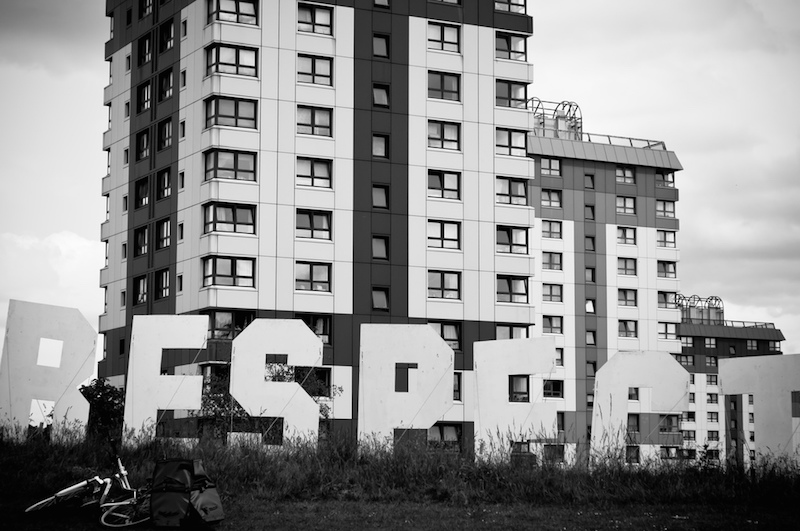
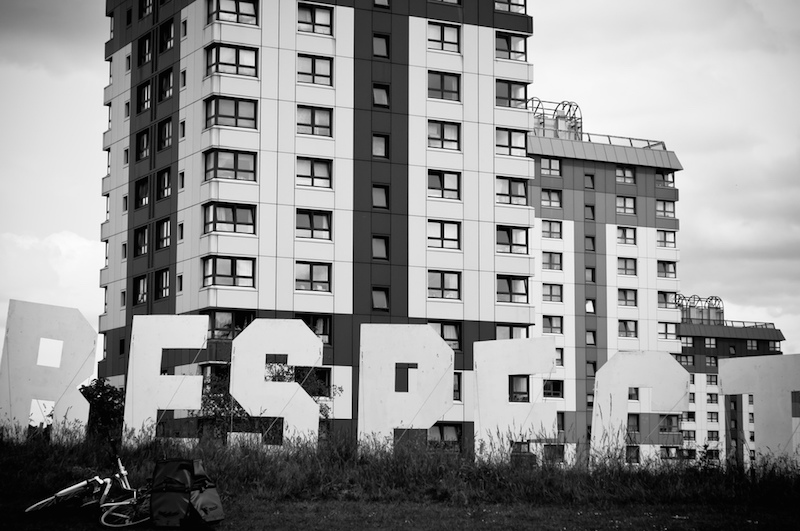
Image credit: CC by Tim Parkinson
